.png)



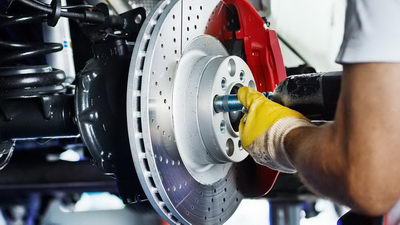

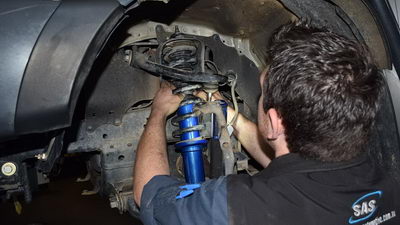

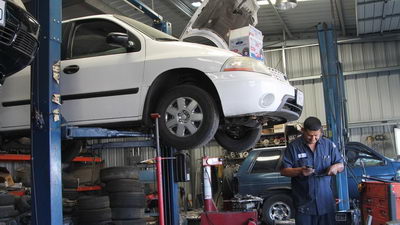

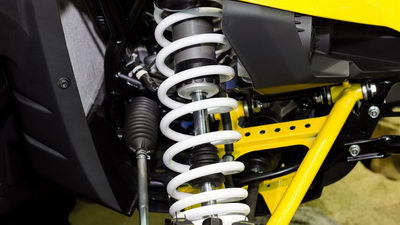

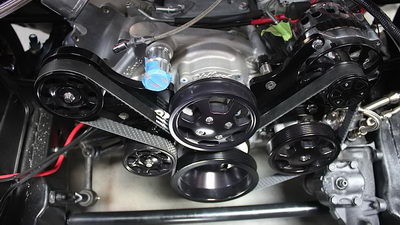
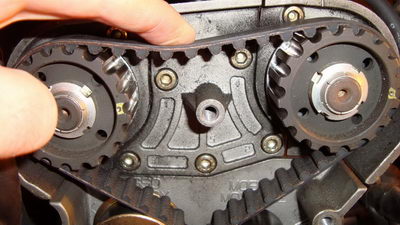

A wheel bearing is a set of steel balls held together by a metal ring called a race. They help wheels spin fast with as little friction as possible. They are used on all kinds of vehicles, from bicycles to aircraft and cars. On a car, a wheel bearing rides on a metal axle shaft and fits tightly inside the hub, which is a hollow chunk of metal at the center of the wheel. The hub holds the lug bolts that you use to bolt the tire onto the wheel. The wheel bearing is pressed into the hub from the back.

Transmission Services
-
BEARINGS
-
CLUTCH REPLACEMENT
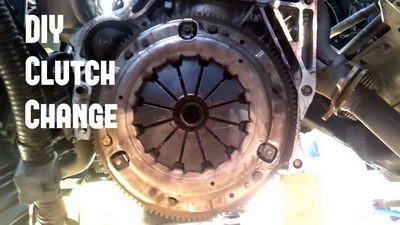
The clutch is one of the most vital parts of your car. When it finally stops working properly, though, it makes the car difficult or impossible to drive! If you want to know how the clutch works, what makes it so important and how you can adjust it yourself, simply read on.
The clutch’s job is linking your car’s engine to its transmission. Since your engine is always running, even when your wheels aren’t turning, your clutch has to be able to both link and separate. While automatic transmissions have much more clutches, they still have the same basic parts doing the same basic job.
-
HYDRAULIC CLUTCHES
If your car transmission has a hydraulic clutch, chances are you’re wondering exactly how it works within your shifting system. Most clutches, especially on older vehicles, work by means of a cog system that changes the gears as you shift. With an automatic transmission, you don’t actually shift at all – the car does it for you.
-
TRANSFER CASE REPAIR & REBUILDING
At Rasanjana Motors, we know transfer cases are an essential part of your all-wheel and 4-wheel drive vehicle. It is important that it is periodically serviced by exchanging the old fluid with the proper fresh fluid and checking it thoroughly for leaks and damage.
-
POWER TAKE OFF (PTO)
Power take-off (PTO) is a device that transfers an engine’s mechanical power to another piece of equipment. A PTO allows the hosting energy source to transmit power to additional equipment that does not have its own engine or motor. For example, a PTO helps to run a jackhammer using a tractor engine. PTOs are commonly used in farming equipment, trucks and commercial vehicles.
Transmission Services
Drive Line Services
-
DIAGNOSTIC SERVICE
Whether you’re in need of a simple diagnostic service or you’re in need of a new transmission, you can trust in our team to provide what you need, when you need it. When it comes to quality, we never cut corners. Give us a call now for more information or to schedule an appointment.
-
DIFFERENTIAL REPAIR & OVERHAUL
You have a heavy-duty truck or SUV for a reason – it works hard and has to be reliable. You keep close tabs on the engine and transmission, changing the fluid regularly to make sure they don’t break down. But have you paid any attention to your rear differential? If you haven’t given it any thought, it’s probably due for a rear differential service. And if you have rear differential noise, it’s probably too late and a rear differential repair is in your future.
-
CV JOINTS
You have a heavy-duty truck or SUV for a reason – it works hard and has to be reliable. You keep close tabs on the engine and transmission, changing the fluid regularly to make sure they don’t break down. But have you paid any attention to your rear differential? If you haven’t given it any thought, it’s probably due for a rear differential service. And if you have rear differential noise, it’s probably too late and a rear differential repair is in your future.
-
U-JOINTS
In rear wheel-drive cars, a driveshaft is needed for the tires to rotate. The driveshaft transfers the power from transmission to the rear tires, enabling them to turn.
-
BEARINGS
A wheel bearing is a set of steel balls held together by a metal ring called a race. They help wheels spin fast with as little friction as possible. They are used on all kinds of vehicles, from bicycles to aircraft and cars. On a car, a wheel bearing rides on a metal axle shaft and fits tightly inside the hub, which is a hollow chunk of metal at the center of the wheel. The hub holds the lug bolts that you use to bolt the tire onto the wheel. The wheel bearing is pressed into the hub from the back.
Free Check Engine Light Scan
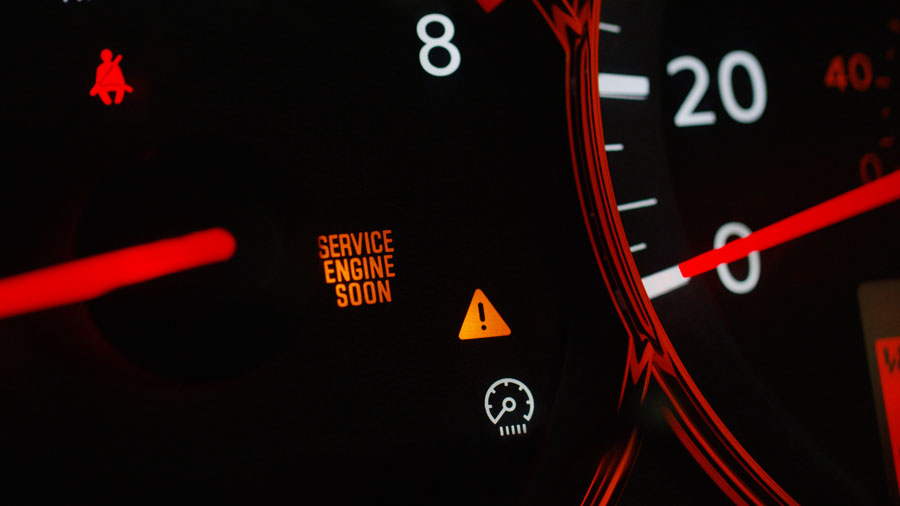
So your check engine light is on? Don’t panic. Rasanjana Motors offers a Free Check Engine Light Code Retrieval Service designed to provide the answers you need. Once the fault code (also known as OBD II code) is retrieved from your engine’s onboard computer, a professional Rasanjana Motors technician will discuss your diagnostic options, to help get you on the road quickly as possible.
NC State Inspection
Annual emissions testing determines whether your vehicle’s pollution control systems are working as designed. Vehicle owners must pass both an Emissions Inspection and a Safety Inspection. This is performed using the vehicle’s On-Board Diagnostics and is usually completed in conjunction with the annual safety inspection. If your car successfully passes the NC car inspection but fails emissions, then you may be eligible for a waiver if you meet the requirements listed here.
Transmission Service
Transmission Service
There are warning signs that your transmission is about to cause trouble. Being aware of these signs will save your time and money. Is your car driving normally or is there a change in the shift pattern? Does the transmission jerk or hesitate or slip going into gear? Do you see spots appearing on your driveway or garage floor? Is the transmission fluid low, does it smell burnt or look dark brown?
Catching potential problems before they become major repairs is the best way to save money. An inexpensive transmission service may be all you need. As soon as you suspect transmission trouble call us or stop in. We will give you best advice and evaluate your transmission.
Don't get caught in the trap that some shops set for you by disassembling your transmission for diagnosis and then hitting you with a huge bill, so you can't take your car to another shop. Should you need a rebuild or overhaul we will give you a fast-free estimate before we start the work.
Auto Transmission Repair
Manual Transmission Repair
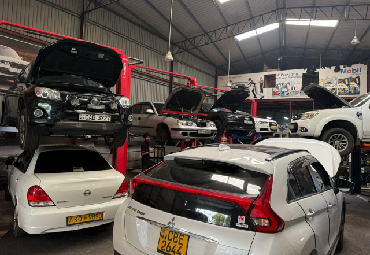
Transmission Maintenance
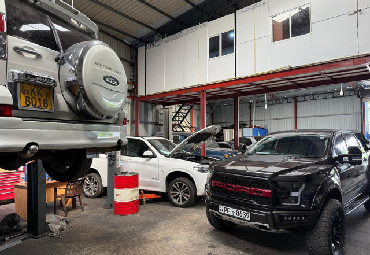
Gearbox Exchange
Transmissions
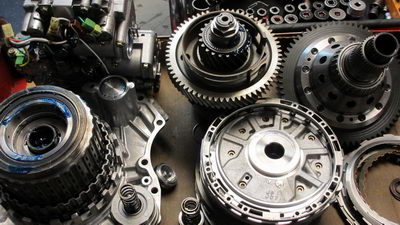
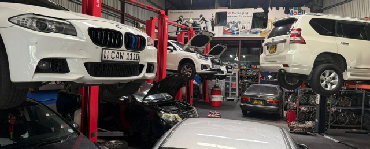
When it comes to transmissions, Rasanjana Motors is the team to call. We're experts in all gearbox and transmissions makes and models. We offer
-
Check the Fluid Level
The fluid in an automatic transmission operates the clutches, provides cooling and lubrication, and even drives the vehicle. So few things are more important than proper fluid operating level for keeping the transmission working.
Most automatic transmissions have a great dipstick for checking the fluid level. If you're not sure where yours is or how to check the transmission fluid level, refer to your owners manual or come see us at Quality Transmission & Auto Repair, Inc.
-
Check Transmission Problems Promptly
Most transmission problems start out small. They get worse over time. Very often, you can eliminate major repairs simply by taking care of the problem early on.
Whether it's a warning light on the dash, a few drops of fluid on the garage floor, or a change in the way the transmission operates, your best bet is to take your car in for service right away. In many cases you'll be able to avoid a major repair simply by catching it while it's still a minor one.
-
Service Your Transmission Regularly
Transmission fluids have a number of unique properties that can wear out over time. And when they wear out, you can bet the transmission itself won't be far behind.
One of the best ways to keep your transmission in good working order is to have it serviced annually. A complete fluid and filter change every year can add years to your transmission's life, and in the end, save you money.
-
Add a Friction Modifier to the Fluid
New fluid can really help your transmission last longer. But there are a number of additives on the market that have demonstrated the ability to increase transmission life and reliability significantly, even beyond the extra miles you could expect from regular service.
In most cases, you won't be able to find worthwhile additives in your supermarket or do-it-yourself parts store: The really effective additives are only available to the professional transmission centers
-
Install an Auxillary Cooler
The #1 reason for transmission failure is heat. Transmission temperatures can quickly exceed 300? F. At that temperature, seals begin to harden, clutches begin to burn, and the fluid itself breaks down.
To help eliminate excess heat from the automatic transmission fluid, have an auxillary cooler installed. This is particularly important on vehicles that tow trailers, carry heavy loads, or travel over rough or mountainous terrain.
Transmission Service
How To Take Care of Your Transmission
-
Install a Cooler Line Filter
The #1 reason for transmission failure is heat. Transmission temperatures can quickly exceed 300? F. At that temperature, seals begin to harden, clutches begin to burn, and the fluid itself breaks down.
To help eliminate excess heat from the automatic transmission fluid, have an auxillary cooler installed. This is particularly important on vehicles that tow trailers, carry heavy loads, or travel over rough or mountainous terrain.
-
Service the Cooling System
You may not realize it, but your car's cooling system does more than keep the engine running cool: It also cools the transmission fluid, through a heat exchanger built into the radiator tank.
So a faulty cooling system cannot only damage your engine; it can reduce transmission life as well. In fact, transmission damage may occur long before the engine overheats. To avoid both engine and transmission problems, keep your car's cooling system clean and in tip-top condition.
-
Tune the Engine
The engines and transmissions in today's cars are linked far more closely than in the past. A problem with engine performance can put much more strain on the transmission than one that's running properly.
That's another reason why it's important to keep your car's engine in good running order. A good running engine reduces the stress on your transmission so the transmission can last longer without requiring major repairs.